As a pet rabbit owner you strive to provide you bunny with a balanced diet. You might want to add dill to make their food more flavorful.
But is dill safe for them? Read on and find out!
Can Bunnies Eat Dill?
Yes, rabbits can safely eat dill in moderation as part of a balanced diet. Dill is a green, feathery herb that belongs to the celery family.
It offers nutritional benefits, containing essential vitamins and minerals that promote a rabbit’s well-being.
Nutritional Benefits Of Feeding Dill To Your Rabbit
Dill, also known as anethum graveolens, is not only a flavorful herb commonly used in cooking, but it also offers several nutritional benefits for rabbits. Here are some of the key benefits:
Rich in Vitamins and Minerals: Dill is a good source of vitamins A, C, and K, as well as minerals like calcium, iron, and magnesium.
Antioxidant Properties: Dill contains antioxidants that help combat oxidative stress in the body. This can contribute to overall health and may reduce the risk of chronic diseases in rabbits.
Digestive Health: Dill has been traditionally used to promote healthy digestion. Its natural compounds can help alleviate gas and bloating, making it a soothing addition to a rabbit’s diet.
Anti-inflammatory Effects: Some studies suggest that dill may have anti-inflammatory properties, which could be beneficial for rabbits that are prone to conditions associated with inflammation.
Hydration: Fresh dill has a high water content, which can contribute to a rabbit’s hydration, especially when they may not be drinking enough water.
Low Caloric Content: Dill is low in calories, making it an excellent choice for treats without the risk of overfeeding or contributing to obesity.
Flavor Variety: Introducing dill can add variety to a rabbit’s diet, encouraging natural foraging behavior and making mealtime more enjoyable.
Rich in Fiber: While not as fibrous as hay and pellet, dill still provides some fiber, which is crucial for maintaining healthy digestive function in rabbits.
Guidelines For Including Dill In Your Rabbits Diet
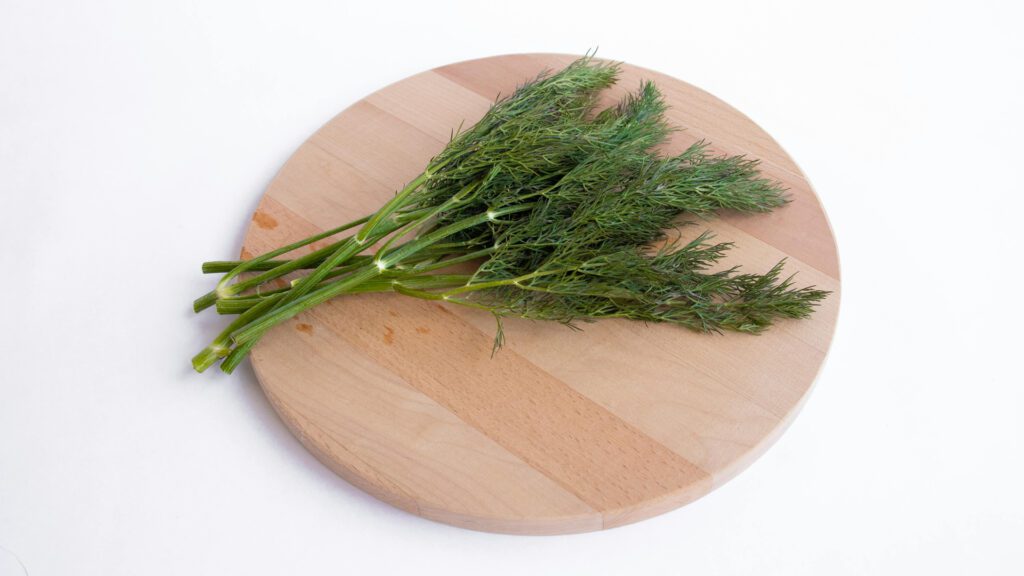
Like any new food, dill should be introduced gradually and in moderation. Here are some guidelines to help you safely incorporate dill into your rabbit’s meals:
Start Slowly
Introduce dill in small quantities to observe how your rabbit reacts. Begin with a few leaves or a small sprig, and monitor for any signs of digestive upset or allergic reactions.
Fresh is Best
Always offer fresh dill rather than dried. Fresh herbs retain more nutrients and are more appealing to rabbits. Make sure to wash the dill thoroughly to remove any pesticides or contaminants.
Balance with Other Greens
Dill should be part of a varied diet that includes other leafy greens and vegetables. It should not replace hay, which is the primary component of a rabbit’s diet.
Aim for a mix of different herbs and greens to provide a wide range of nutrients.
Limit Serving Size
Due to its strong flavor, dill should be given in small amounts. A few sprigs a few times a week is sufficient.
Too much dill can lead to digestive issues due to its high essential oil content.
Observe Your Rabbit
After introducing dill, keep an eye on your rabbit for any changes in behavior, appetite, or stool consistency.
If you notice any negative reactions, discontinue the herb and consult your veterinarian.
Consult a Veterinarian
If you have any concerns about your pet’s diet or health, it’s always a good idea to consult your veterinarian, especially when introducing new foods.
Avoid Toxic Plants
Ensure that the dill you provide is free from pesticides, herbicides, and other chemicals. Only use dill that is sourced from safe, organic sources.
Provide Variety
To keep your rabbit engaged and to promote healthy eating habits, rotate different herbs and greens, including kale, romaine lettuce, parsley, cilantro, and basil. This helps ensure a balanced intake of nutrients.
Risks Of Over Feeding Dill To Your Rabbit
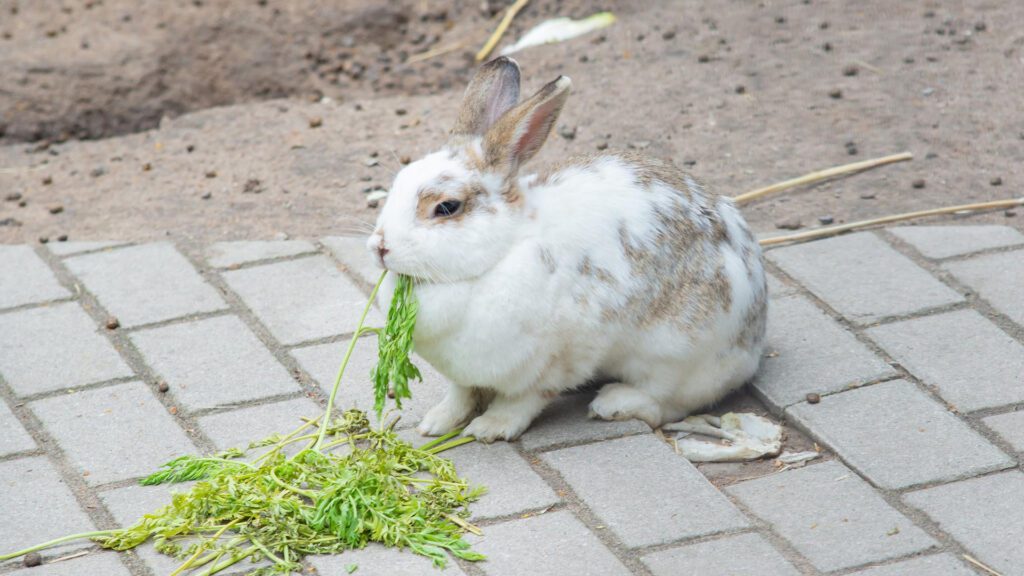
While dill can provide some nutritional benefits overfeeding can lead to several health risks such as:
Digestion Issues
Rabbits have sensitive digestive systems, and an excess of dill can lead to gastrointestinal disturbances.
This may manifest as diarrhea, bloating, or gas, which can be uncomfortable and may require veterinary attention.
Nutritional Imbalance
Dill, while rich in certain vitamins and minerals, should not constitute a large portion of a rabbit’s diet. Over-reliance on dill can lead to a lack of variety in the diet, resulting in nutritional deficiencies or imbalances.
Oxalate Content
Dill contains oxalates, which, when consumed in large quantities, can interfere with calcium absorption and may contribute to the formation of bladder stones.
It’s crucial to limit high-oxalate and high sugar level foods in a rabbit’s diet to maintain their urinary health.
Allergic Reactions
Although rare, some rabbits may develop allergies or sensitivities to certain herbs, including dill. Symptoms can include skin irritations, excessive scratching, or gastrointestinal upset.
Flavor Overload
Rabbits are creatures of habit and can become picky eaters if their diets are not properly managed.
Overfeeding dill may lead to a preference for strong flavors, making it challenging to encourage them to eat more essential but less flavorful greens and hay.
Note: In case of an emergency due to an allergic reaction contact a veterinarian as they are more well versed on this topic.
Better Alternatives To Dill For Rabbits
When it comes to feeding rabbits, it’s important to provide a varied diet that includes a mix of hay, fresh vegetables, and fruits as occasional treats.
If you’re looking for better alternatives to dill that are safe for rabbits, here are some options:
Parsley: This herb is rich in vitamins and is generally well-accepted by rabbits. It can be fed fresh and should be offered in moderation.
Cilantro: Another popular herb among rabbits, cilantro is not only aromatic but also provides essential nutrients. Many rabbits enjoy its fresh taste and texture.
Basil: Sweet basil can be a delightful treat for rabbits. It is safe to feed in small amounts and can add variety to their diet.
Mint: Various types of mint, such as spearmint or peppermint, are safe for rabbits and can be a refreshing addition to their meals.
Thyme: This herb is safe for rabbits and can be offered fresh. It has a strong flavor that some rabbits may find appealing.
Carrots: While not an herb, fresh carrot tops are safe for rabbits, providing a crunchy texture and sweetness that many enjoy.
Fennel: Fennel leaves can be a great alternative. They have a mild flavor and can be a nice addition to the rabbit’s herb assortment.
Dandelion Greens: Often found in the wild, these greens are highly favored by many rabbits.
Kale: While it should be fed in moderation due to its calcium content, kale is a nutrient dense leafy green option for rabbits.
Spinach: Like kale, spinach should be offered in moderation, but it can be a tasty treat for your furry friend.
Warning: Stay away from onions, garlic, leeks, chives and any other plants in the onion family of plants as they can be toxic to rabbits.
FAQs
Below are some common questions about rabbits and dill.
Q: Can Baby Rabbits Eat Dill?
A: While baby rabbits can eat dill, it is important to ensure that they are at least 12 weeks old and that dill is introduced carefully along with their usual diet.
Q: Can You Feed Pickled Dill To Rabbits?
A: No, you should never feed pickles to your rabbit. It’s a really bad choice for their intestinal health.
Q: Is Dill More Healthy Than Lettuce For Rabbits?
A: Dill is more healthy than lettuce, particularly the watery varieties. It offers additional vitamins and minerals that can benefit your rabbit’s health compared to regular lettuce.
Q: Are Dill Flowers Safe For Rabbits To Eat?
A: Yes, dill flowers are safe for rabbits to eat and can provide additional nutritional benefits, making them a great addition to their diet.
Q: Can I Mix Dill With Other Veggies In My Rabbit’s Dish?
A: Yes you may try a combination of safe veggies like romaine lettuce or parsley to create a nutrient dense and varied dish for your rabbit.
Q: Are There Any Harmful Substances In Dill That I Should Be Concerned About?
A: No, dill is generally safe for rabbits and does not contain harmful substances. However, always ensure that it is fresh and free from pesticides.
Q: How Often Can Rabbits Eat Dill?
A: Rabbits can eat dill as a part of their daily diet, but it should only be offered in moderation to prevent any digestive issues.
Conclusion
In conclusion, rabbits can safely eat dill, which offers several nutritional benefits. Just remember to introduce it gradually and ensure it is part of a balanced diet.